‘One horchata, please!’
The Spanish love cold snacks, as is underlined by the many ice-cream parlours you’ll see. Typically Spanish is horchata, a delicious, refreshing drink for the warm summer months. The drink is also popular around Christmas, when people dip turrón, a kind of nougat, in their horchata. In Barcelona you’ll find the drink under orxata, its Catalan name.
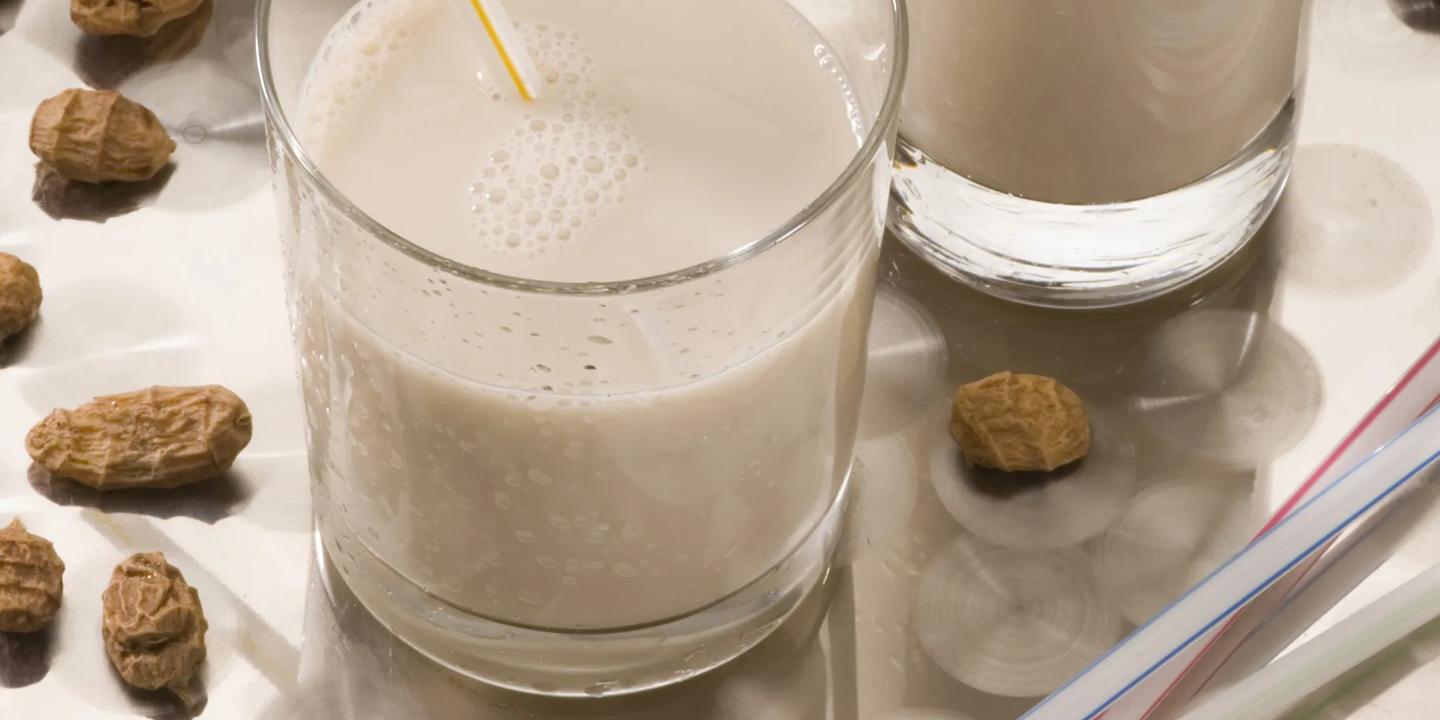
Uncle Ché’s horchata
El Tío Ché is the oldest horchatería in Barcelona, located in the Poblenou district since 1912. According to the current owner, his great-grandfather (Uncle Ché) ended up in Barcelona by accident. His original plan to emigrate to Argentina fell apart when he fell in love with a Barcelona girl while waiting for the boat. Uncle Ché owes his nickname to the way he attracted his customers : ‘Xe, prova!’ (Hey, try this!).
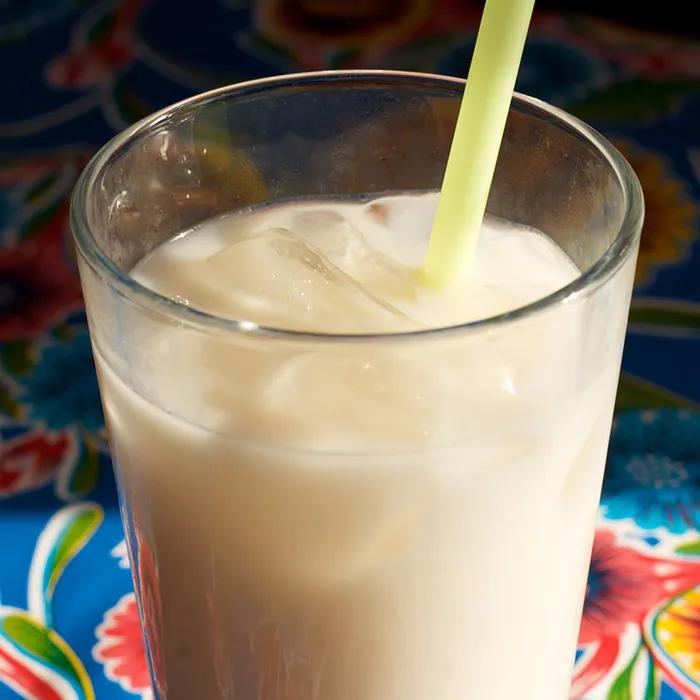
Two-litre bottles at Sirvent
Another place where the people of Barcelona like to get their fresh horchata is at Sirvent. This horchatería is located on the Carrer del Parlament and still uses the same traditional recipe with the best earth almonds from Valencia. And it works. Three generations later, the queues in summer are as long as ever. Sirvent is so popular that there is enormous demand for their two-litre bottles. Thankfully the drink can also be ordered by the glass.
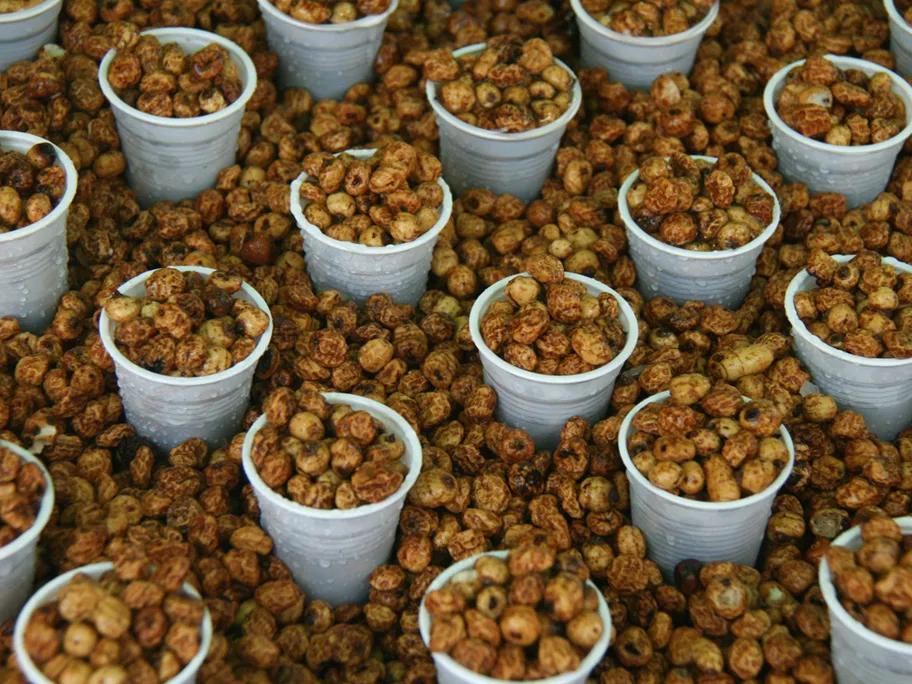
Health benefits
True addicts will agree: horchata does wonders for your health. The ancient Persians and Arabs were already convinced of this fact and drank horchata for medicinal purposes. If you’re in need of a serious energy boost, forget about coffee and order a horchata. The drink is rich in minerals such as calcium, magnesium and iron, and also lowers your cholesterol levels. To ensure optimal quality, a horchata committee ensures that only horchata with earth almonds from Valencia, often hand-picked, are used.
Related articles
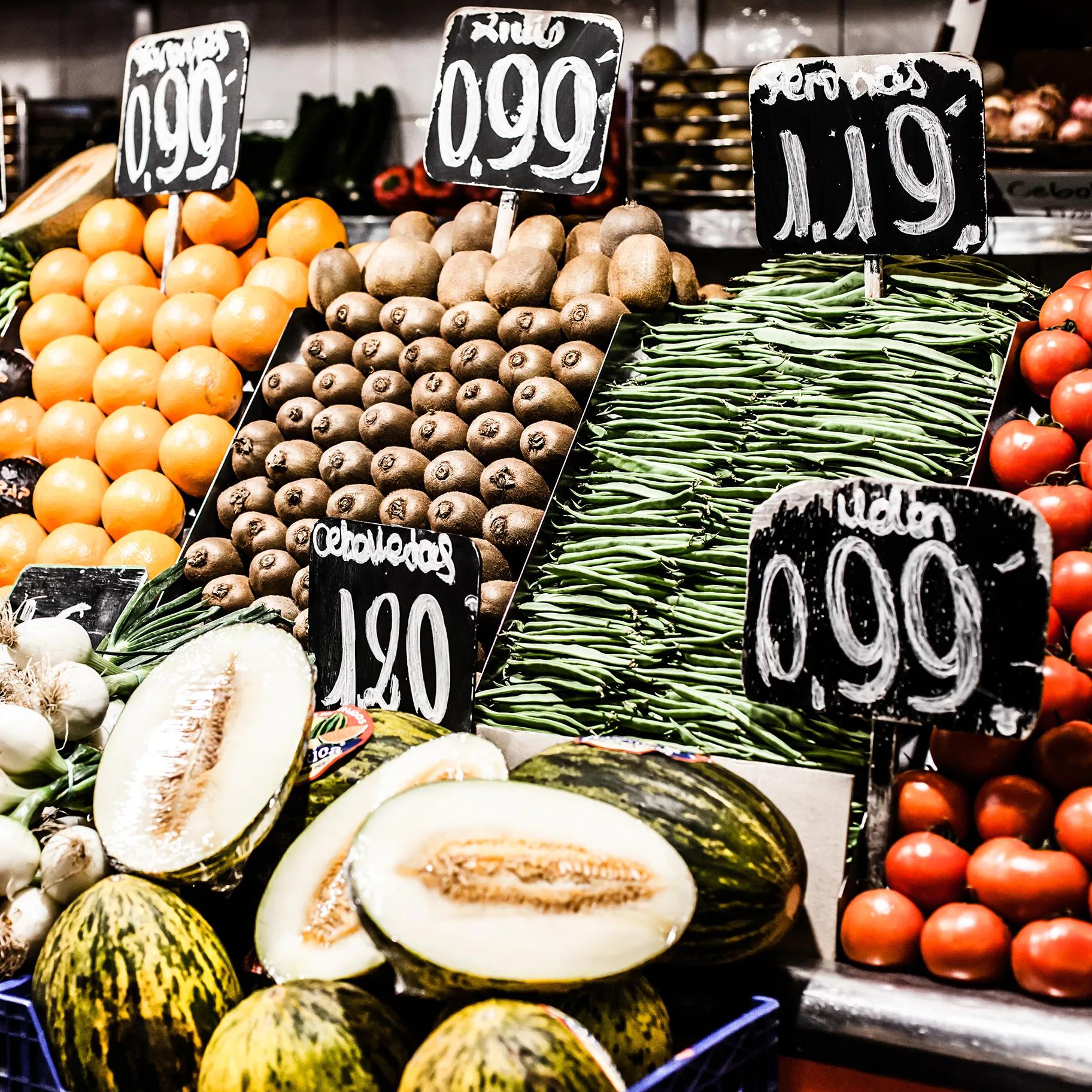
Culinary
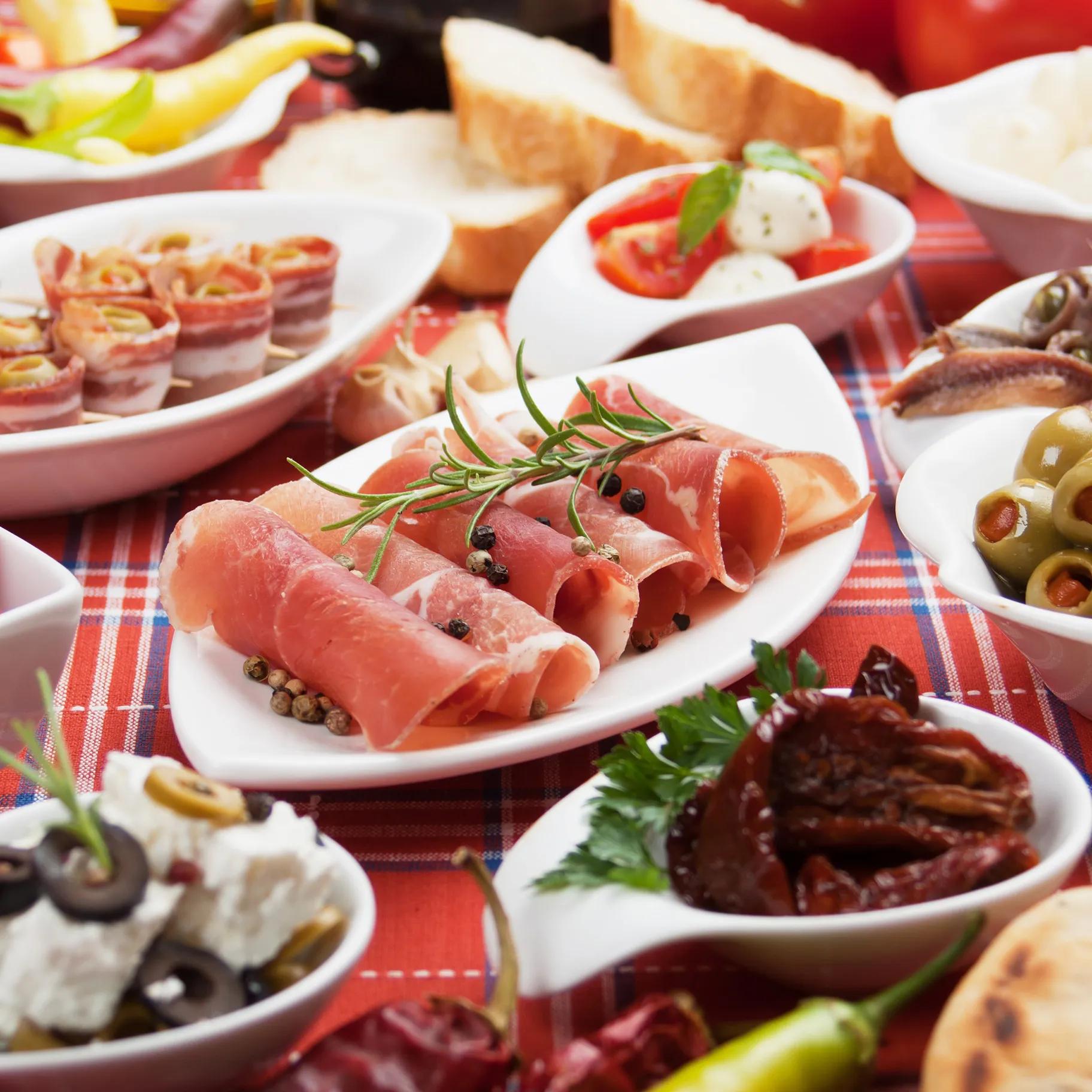
To discover the soul of the Barcelonans, it’s best to eat one’s way through Barcelona. From farmhouse cheese to molecular gastronomy, the versatile flavours of Catalonian cuisine tell the turbulent story of the region. The Visigoths, the Moors and the French have all occupied this fertile area on the Mediterranean Sea over the past centuries, and they have all left their mark as the tastes in Barcelona’s markets make clear.
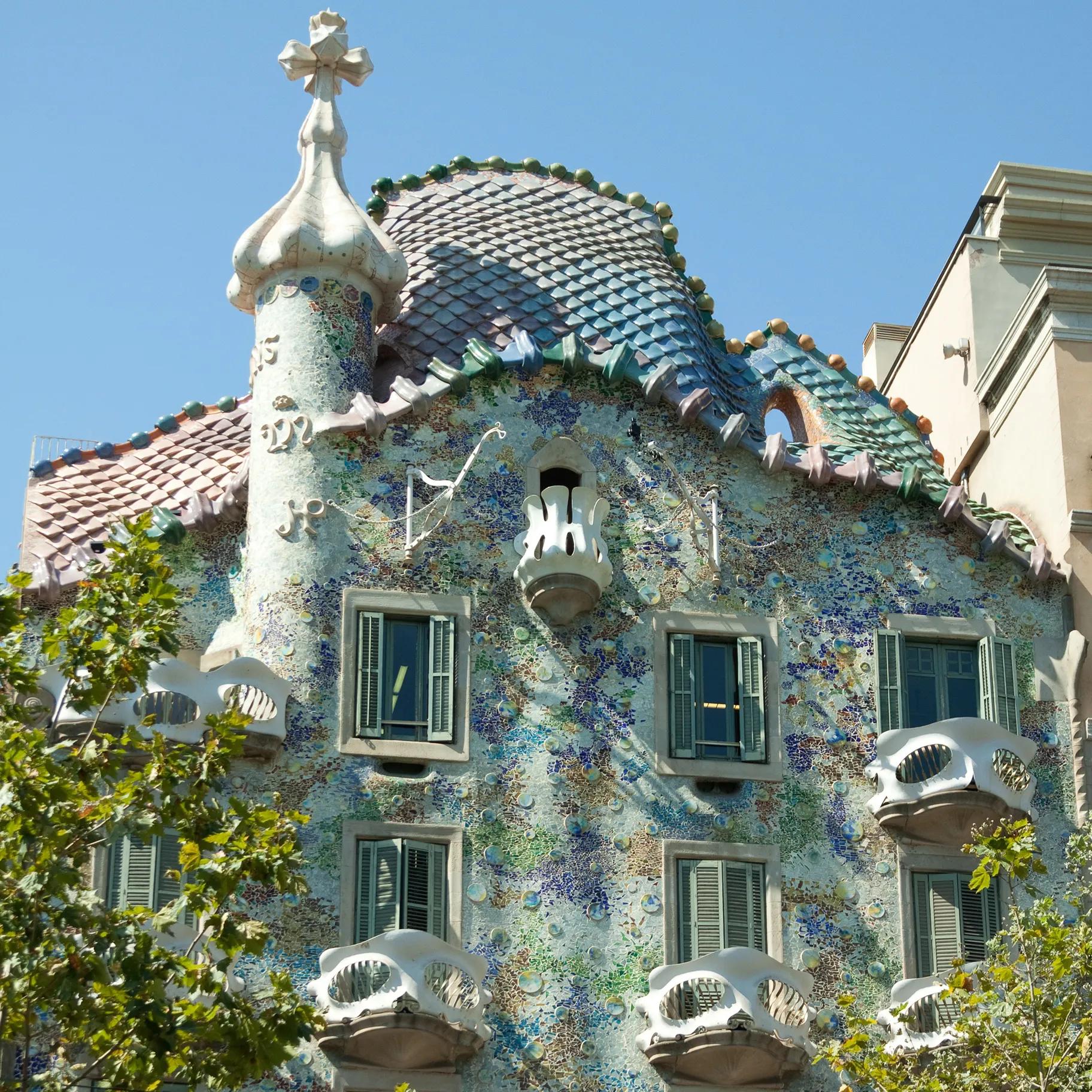
Arts & Culture
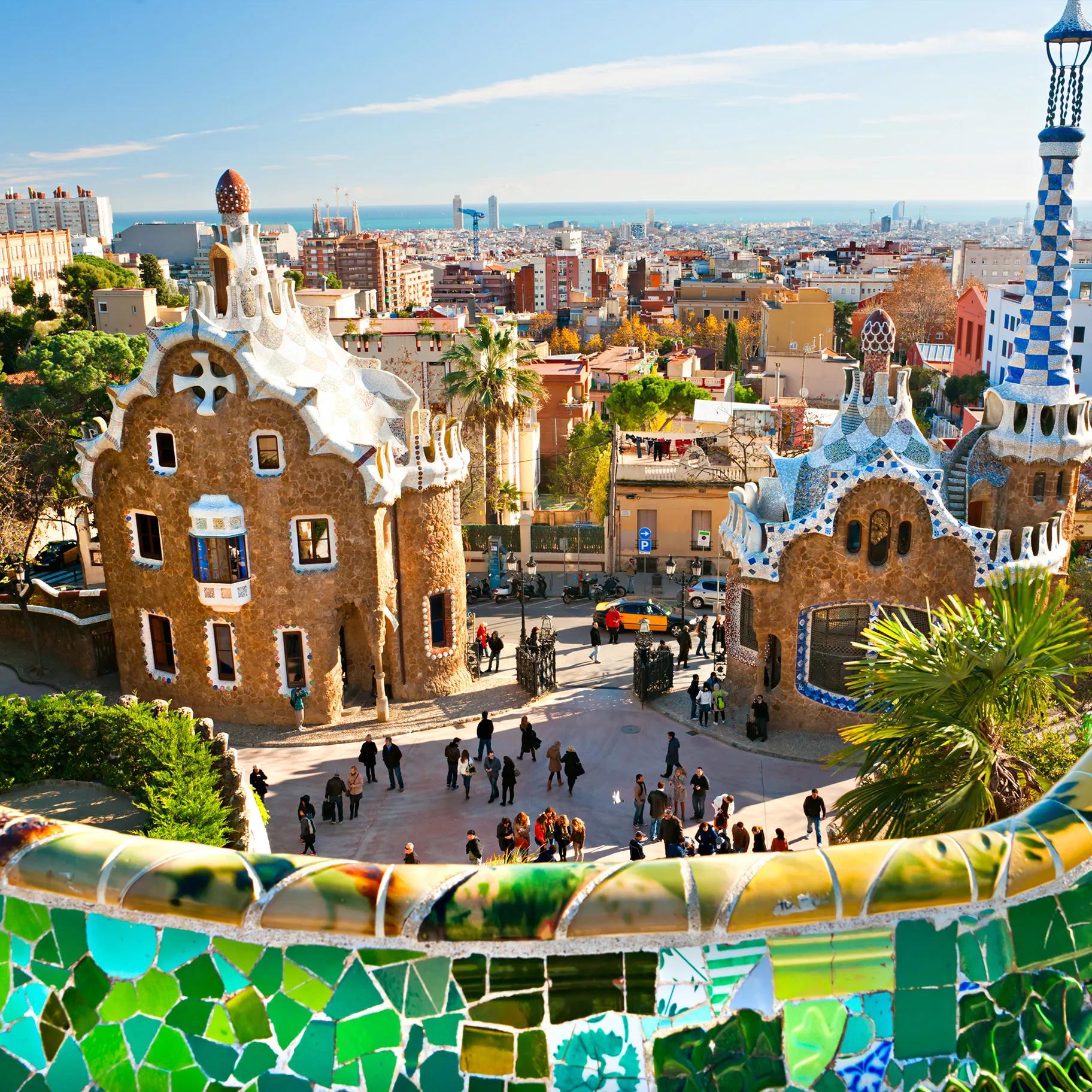
If you walk along the Passeig de Gràcia boulevard you can’t miss it: the colourful façade of Casa Batlló. The building’s frontage invites closer inspection. With its playful round windows and scaly roof, it has the aura of a fairytale castle. Its shapes and lines immediately reveal the identity of its creator: Antoni Gaudí, Barcelona’s most celebrated modernistic architect.
Discover other destinations in Europe
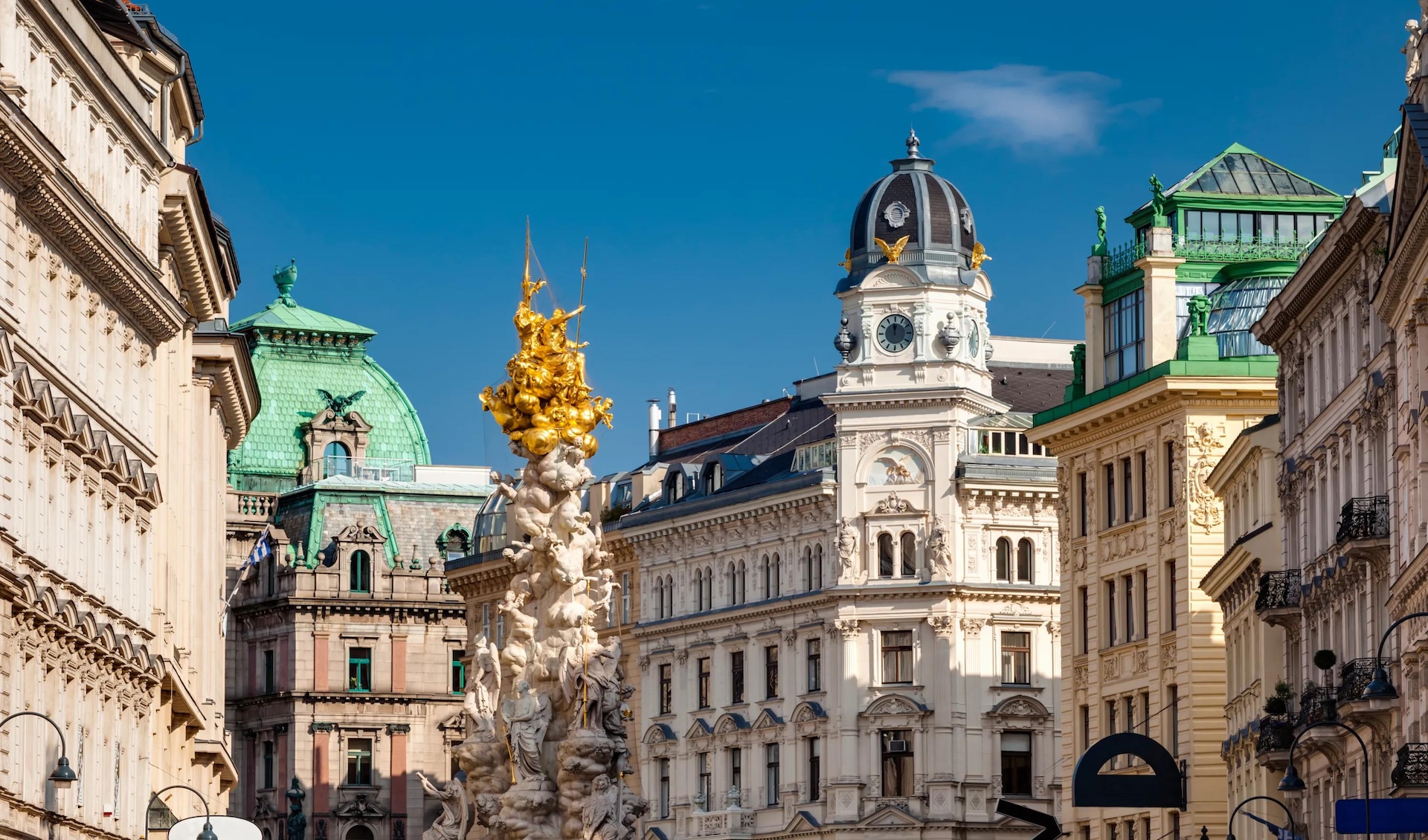
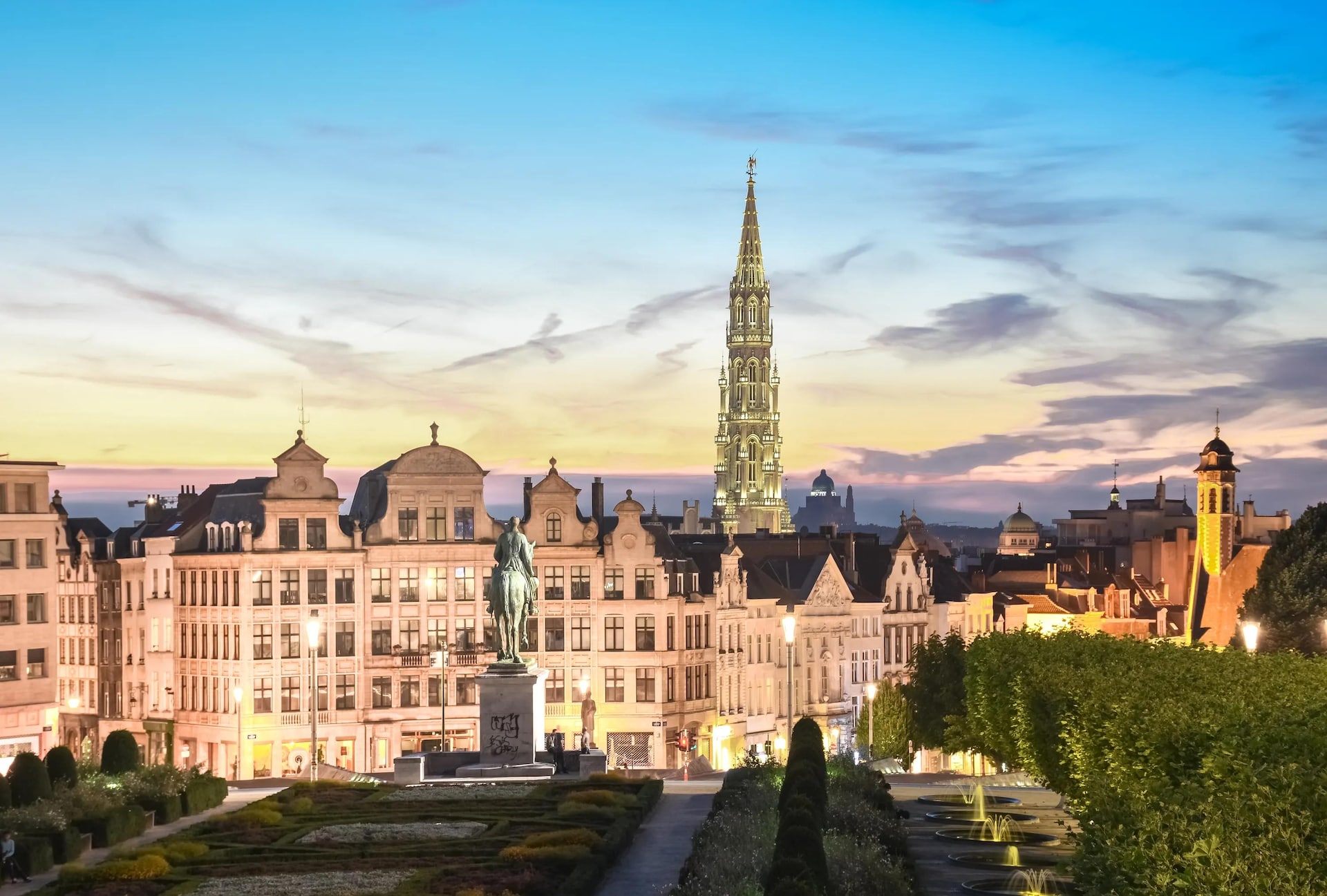
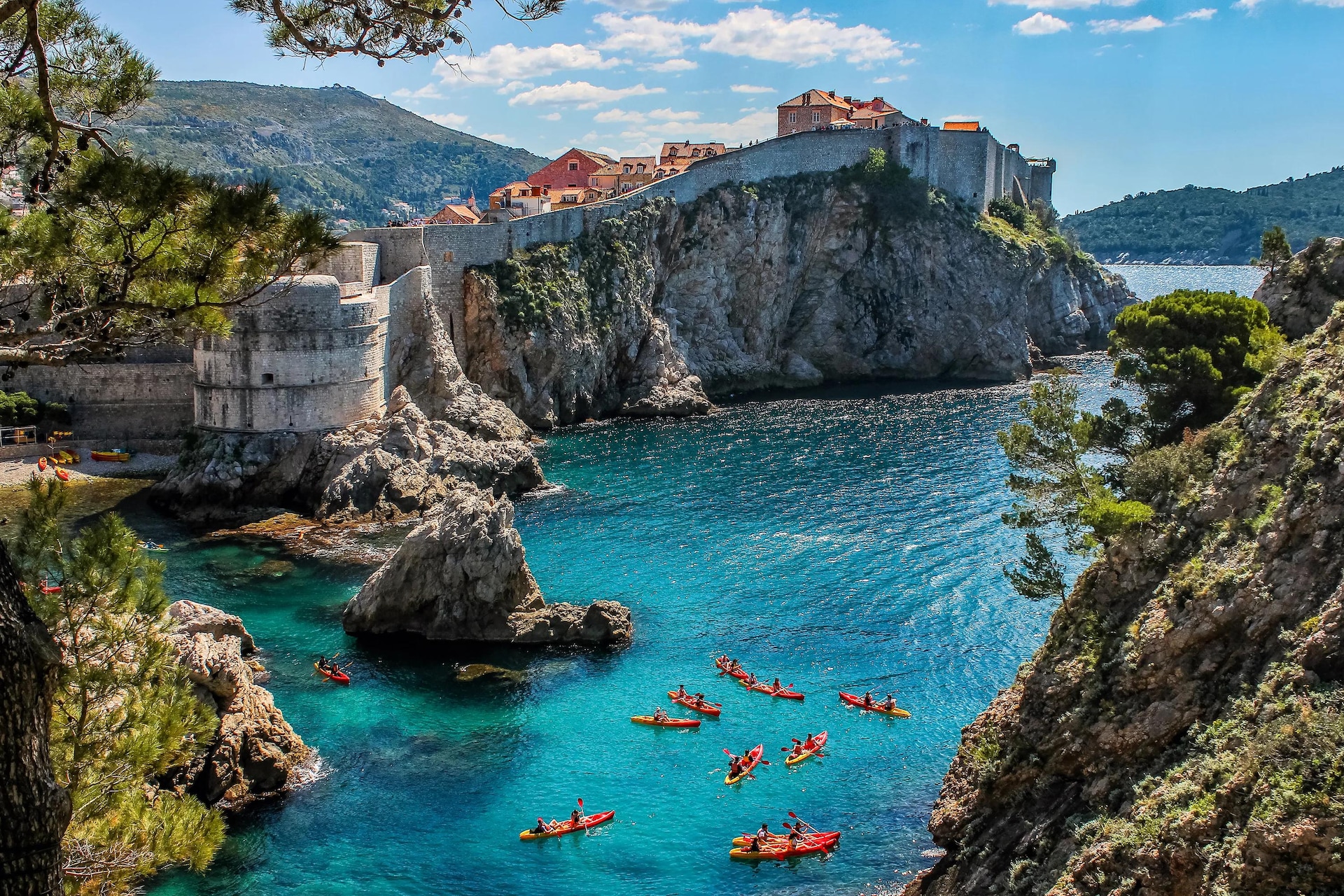
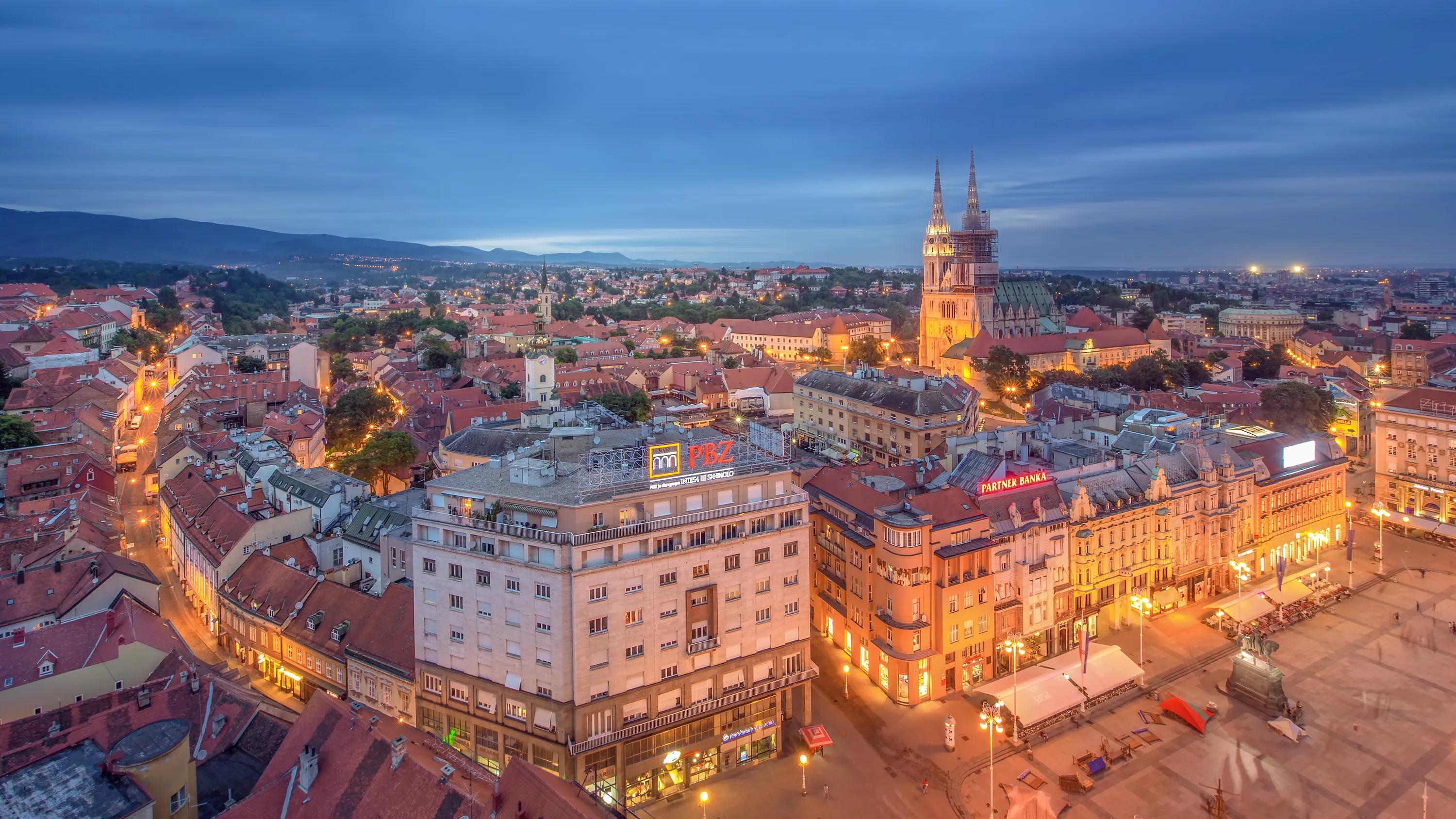
*The displayed prices are for one adult. All amounts are in USD. Taxes and surcharges are included. No booking fee is applicable. Prices shown may vary depending on fare availability.
The weather forecast information is provided by World Weather Online. Air France-KLM is not responsible for the reliability of this data.